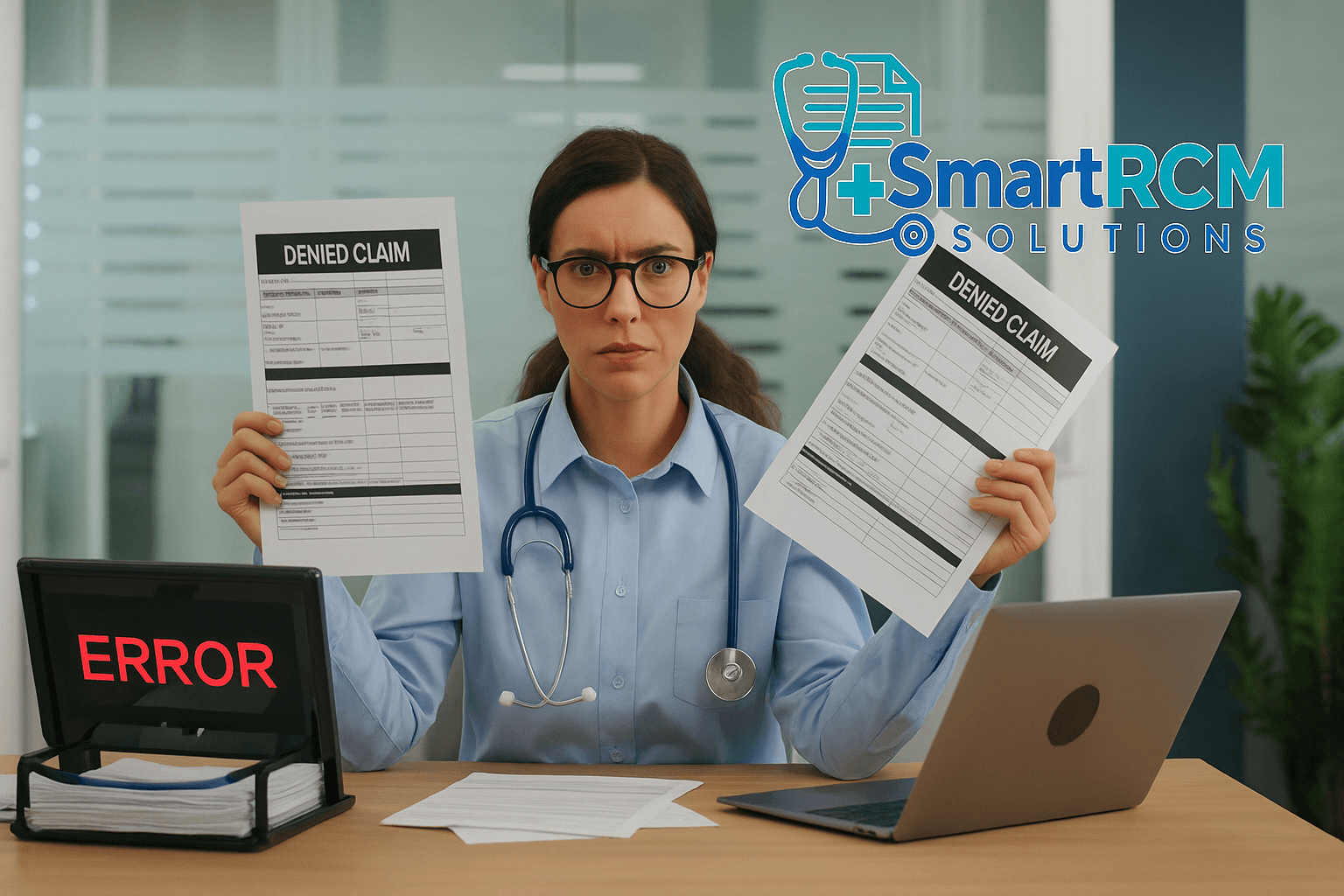
Medical billing is one of the most important parts of the healthcare system. However, many healthcare providers struggle with billing errors that lead to delayed payments and claim denials. As a result, practices often face cash flow issues even when they are providing quality patient care. Therefore, understanding common medical billing mistakes is essential for improving financial performance.
For example, a small error during patient registration can result in a rejected claim weeks later. Consequently, billing teams must spend extra time correcting the issue and resubmitting the claim. In addition, repeated mistakes increase administrative workload and reduce efficiency.
Top 10 Medical Billing Mistakes to Avoid
In this complete guide, we will discuss the most common medical billing mistakes. Moreover, we will explain practical strategies that help healthcare providers avoid these errors and improve their overall billing process.
What Are Medical Billing Mistakes?
Medical billing mistakes are errors that occur during different stages of the billing process. These stages include patient registration, insurance verification, coding, claim submission, and payment posting.
Although some mistakes may appear minor, they can have a significant impact on revenue. For instance, incorrect coding or missing information can lead to claim denials. Therefore, identifying these issues early is critical for maintaining an efficient billing system.
Real-Life Example of a Billing Error
To better understand the impact of billing errors, consider this example.
A patient visits a clinic for treatment. First, the front desk collects insurance and demographic information. However, the insurance ID is entered incorrectly. As a result, the claim is submitted but later rejected by the insurance company.
Consequently, the billing team must contact the patient, correct the information, and resubmit the claim. This process delays payment and increases administrative work. Therefore, even a small mistake can affect the entire revenue cycle.
Most Common Medical Billing Mistakes
1. Incorrect Patient Information
Incorrect patient information is one of the most common billing mistakes. If details such as name, date of birth, or insurance ID are entered incorrectly, the claim will likely be denied.
Therefore, front desk staff should always verify patient details carefully. In addition, double-checking information before submission can prevent errors.
2. Failure to Verify Insurance Eligibility
Another common issue is failing to verify insurance eligibility before the patient visit. If the patient’s coverage is inactive or does not include the required services, the claim will be rejected.
Therefore, verifying eligibility in advance is essential. Moreover, real-time verification tools can help reduce this risk.
3. Coding Errors
Medical coding plays a crucial role in billing accuracy. However, using incorrect or outdated codes can lead to claim denials or underpayments.
For example, selecting the wrong procedure code can result in reduced reimbursement. Therefore, coders must stay updated with the latest coding standards.
4. Missing Modifiers
Modifiers provide additional details about medical procedures. However, many claims are denied because required modifiers are missing.
As a result, the insurance company may not process the claim correctly. Therefore, billing teams must ensure all necessary modifiers are included.
5. Late Claim Submission
Timely filing is essential in medical billing. If a claim is submitted after the payer’s deadline, it will be rejected automatically.
Therefore, healthcare providers should submit claims as soon as possible. In addition, tracking systems can help ensure deadlines are not missed.
6. Duplicate Billing
Duplicate billing occurs when the same claim is submitted multiple times. This can create confusion and delay payment.
Therefore, billing teams must maintain accurate records. Moreover, proper tracking systems can help identify duplicate claims.
7. Poor Denial Management
Many healthcare providers fail to follow up on denied claims effectively. As a result, they lose revenue that could have been recovered.
Therefore, having a structured denial management process is essential. In addition, consistent follow-up improves collection rates.
Hidden Medical Billing Mistakes Most Practices Ignore
While common errors are widely known, some hidden mistakes often go unnoticed. However, these issues can still affect revenue significantly.
For instance, incomplete documentation can lead to claim rejection even when coding is correct. Similarly, lack of communication between clinical and billing teams can cause delays.
Moreover, outdated billing software can create inefficiencies and increase error rates. Therefore, addressing these hidden issues is equally important.
How to Avoid Medical Billing Mistakes
Avoiding billing errors requires a proactive approach. First, healthcare providers should ensure accurate data entry during patient registration.
Next, insurance eligibility should be verified before services are provided. In addition, billing staff should receive regular training to stay updated with payer requirements.
Moreover, using automated billing systems can help detect errors before submission. Finally, consistent follow-up on denied claims ensures that no revenue is lost. You can also explore our medical billing process article for step-by-step details.
Key Metrics in Medical Billing You Should Track
Tracking key performance indicators is essential for improving billing performance.
Important metrics include:
- Claim Denial Rate
- Days in Accounts Receivable (AR)
- Clean Claim Rate
- First Pass Resolution Rate
- Patient Collection Rate
By monitoring these metrics regularly, healthcare providers can identify inefficiencies. As a result, they can take corrective actions quickly.
Role of Technology in Medical Billing
Technology plays a major role in reducing billing errors. Modern billing software automates tasks such as eligibility verification and claim submission.
For example, automated systems can detect errors before claims are submitted. In addition, electronic claim submission speeds up reimbursement.
Moreover, digital tools improve accuracy and reduce manual workload. Therefore, investing in technology is essential for improving billing efficiency.
How to Improve Your Medical Billing Process in 2026
Improving the billing process requires continuous effort. First, healthcare providers should focus on accurate data collection.
Next, real-time verification tools should be used to confirm insurance coverage. In addition, staff training helps reduce coding errors.
Moreover, tracking performance metrics allows providers to identify problem areas. Finally, consistent follow-up ensures timely payment. To understand the full workflow, read our Revenue Cycle Management guide.
Future Trends in Medical Billing
Medical billing is evolving as healthcare adopts new technologies. Many providers are now using automation and artificial intelligence to improve accuracy.
For example, predictive tools can identify potential claim denials before submission. In addition, digital payment systems make it easier for patients to pay bills.
Moreover, transparency in billing is becoming more important. Therefore, providers must adapt to these changes to remain competitive.
Frequently Asked Questions (FAQs)
1. What are the most common medical billing mistakes?
The most common medical billing mistakes include incorrect patient information, coding errors, missing modifiers, and failure to verify insurance eligibility. In addition, late claim submission and poor denial management can also lead to revenue loss. Therefore, identifying these issues early is essential for improving billing efficiency.
2. How can medical billing errors affect revenue?
Medical billing errors can directly impact revenue by causing claim denials or delays in payment. As a result, healthcare providers may experience cash flow problems. Moreover, repeated errors increase administrative workload, which further reduces overall efficiency.
3. Why is insurance verification important in medical billing?
Insurance verification ensures that a patient’s coverage is active and includes the required services. Without proper verification, claims may be denied. Therefore, verifying eligibility before providing services helps prevent unnecessary delays and improves reimbursement rates.
4. How can healthcare providers reduce claim denials?
Healthcare providers can reduce claim denials by ensuring accurate data entry, using correct medical codes, and submitting claims on time. In addition, regular staff training and the use of automated billing systems can significantly improve claim acceptance rates.
5. What role does technology play in medical billing?
Technology helps automate many aspects of medical billing, including eligibility verification, claim submission, and payment tracking. As a result, it reduces manual errors and improves efficiency. Moreover, advanced tools can detect issues before claims are submitted.
6. What is denial management in medical billing?
Denial management is the process of identifying, correcting, and resubmitting denied claims. Therefore, it plays a crucial role in recovering lost revenue. In addition, a strong denial management process helps improve overall billing performance.
7. How often should billing processes be reviewed?
Billing processes should be reviewed regularly to ensure accuracy and efficiency. For example, monthly performance reviews can help identify issues early. Moreover, continuous monitoring allows healthcare providers to make improvements and reduce errors over time.
Conclusion
Medical billing mistakes can significantly impact healthcare revenue. However, by understanding common errors and implementing effective strategies, providers can improve efficiency.
Therefore, focusing on accuracy, training, and technology is essential. In addition, continuous improvement ensures long-term success in medical billing.